Best Greyhound Betting Sites – Bet on Greyhounds in 2026
 Available in US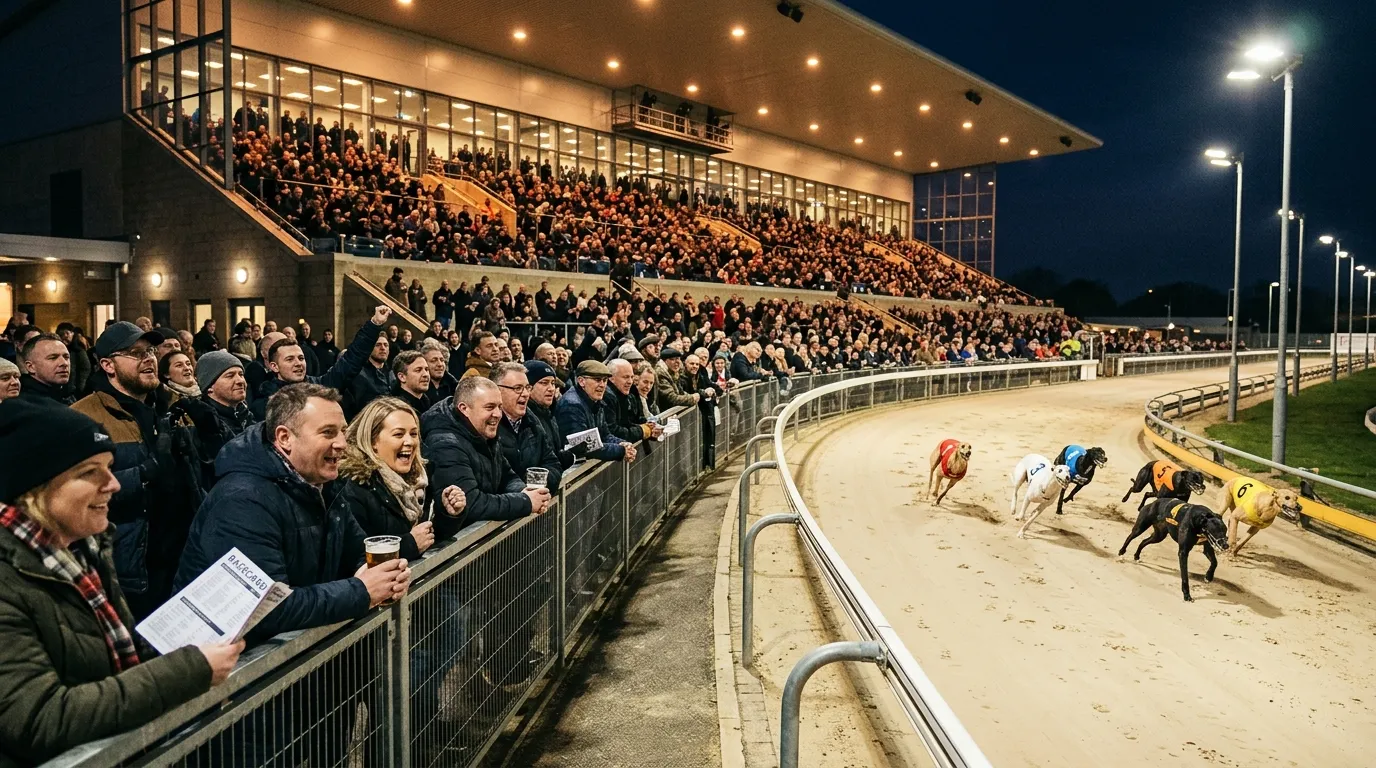
A night at the dogs offers something that betting apps cannot replicate: the visceral experience of watching greyhounds burst from the traps, hearing the crowd react, and feeling the atmosphere of a sport that has entertained Londoners for nearly a century. Romford Stadium stands as the last remaining GBGB-licensed greyhound track in the Greater London area, making it the default destination for anyone in the capital seeking that experience firsthand.
Whether you are planning a casual evening out, organising a group event, or simply curious about what a modern greyhound stadium looks like after significant investment, understanding what Romford offers helps you make the most of your night at the dogs.
Getting There: Location and Transport
Romford Stadium sits on London Road in Romford, Essex—not technically within Greater London’s boundaries, but close enough that the distinction matters only to postal administrators. The stadium occupies a site the sport has used since 1931, having moved from an earlier nearby location where racing began in 1929.
Public transport serves the stadium adequately, if not perfectly. Romford railway station, served by the Elizabeth Line and TfL Rail services, lies approximately one mile from the track. The walk takes around twenty minutes at a reasonable pace, or you can pick up a bus or taxi for the final stretch. If you are coming from central London, the Elizabeth Line from Liverpool Street or Paddington provides the most direct route.
Driving remains popular, particularly for groups. The stadium offers on-site parking, though capacity can fill during busier meetings. If the main car park reaches capacity, nearby streets and secondary parking areas absorb the overflow. Arriving early on major race nights eliminates parking uncertainty—and gives you time to settle in before the first race.
The stadium’s location in outer London means that late-night transport requires planning. Last trains and buses do not always align conveniently with the conclusion of evening race cards. Checking return options before you arrive prevents the frustration of discovering your preferred route home has already stopped running. Rideshare apps provide fallback options, though surge pricing during popular event departures can add unexpected cost.
Stadium Facilities After the £10 Million Renovation
The Romford that visitors experience today bears limited resemblance to the stadium of a decade ago. A £10 million renovation completed in September 2019 transformed the venue, updating facilities that had grown tired over decades of continuous operation. The investment reflected confidence in greyhound racing’s future at a time when other tracks were closing.
Capacity now exceeds 1,700, accommodated across multiple viewing areas and hospitality options. The grandstand provides tiered seating with clear sightlines to the track, allowing spectators to follow the action without obstruction. Screens throughout the venue display race cards, odds, and replays for those who want to study form between events.
Dining options range from casual to formal. The stadium operates restaurant facilities where guests can eat while watching races—combining dinner with entertainment in a format that has anchored the “night at the dogs” experience for generations. Bar areas serve drinks throughout race meetings, and food outlets offer quicker options for those who prefer to eat between studying the form.
The paddock remains a feature that distinguishes live attendance from watching remotely. Seeing greyhounds paraded before races allows experienced punters to assess condition and temperament in ways that race cards cannot capture. First-time visitors often find the paddock experience illuminating—suddenly the dogs become individuals rather than names on a programme.
Modern amenities include improved accessibility features, updated toilets, and better climate control than the draughty venues of the sport’s past. The renovation addressed practical shortcomings that had accumulated over years, making Romford competitive with newer entertainment venues rather than simply a nostalgic throwback.
The track itself benefited from the investment too. Surface quality, drainage systems, and safety features all received attention, ensuring that the venue meets contemporary standards for racing greyhounds. What visitors see is a stadium genuinely renewed, not merely cosmetically refreshed.
Tickets, Dining Packages, and Group Bookings
Entry options at Romford accommodate different budgets and intentions. General admission provides trackside access at the lowest price point—suitable for casual visitors who want to experience the atmosphere without committing to a full dining package. You can bet, drink, eat from concessions, and watch every race without additional spend beyond admission.
Dining packages bundle admission with meals served in the stadium’s restaurant areas. These typically include a set menu or buffet, a reserved table with track views, and a race programme. For groups celebrating birthdays, work events, or simply seeking a complete night out, packages reduce the organisational burden—everything is pre-arranged rather than decided on the spot.
Group bookings benefit from advance arrangement. The stadium’s hospitality team can configure packages for corporate events, stag and hen parties, birthday celebrations, and other gatherings. Larger groups may receive allocated areas, customised menus, or additional services depending on what they book. Contacting the stadium directly clarifies current offerings and availability, which can vary by date and season.
Prices fluctuate based on the race meeting. Major competitions command premium pricing, while routine midweek cards offer more economical entry. Checking the schedule before booking helps match your budget to appropriate meetings—though even premium events remain affordable compared to equivalent entertainment in central London.
What Happens on a Race Night
A typical race meeting at Romford features between 10 and 14 races scheduled at regular intervals, usually every twelve to fifteen minutes. This cadence creates a rhythm to the evening—time enough to analyse the next race, place bets, and discuss prospects with companions before the traps open again.
Gates open well before the first race, allowing early arrivals to secure preferred positions, collect programmes, and place advance bets. Arriving at least thirty minutes before the opening race gives comfortable margin for settling in. Those with restaurant bookings should allow additional time for being seated and ordering.
The races themselves last around twenty to forty seconds depending on distance—brief explosions of speed that contrast with the longer intervals between events. First-time visitors sometimes find this rhythm surprising. The anticipation builds, the traps spring open, the dogs sprint around the track, and then it is over, leaving ten minutes to process what happened before the cycle repeats.
Betting adds engagement for those inclined to wager. On-course betting operates through tote windows and bookmaker pitches, accepting cash. Mobile betting apps allow those who prefer digital transactions to wager remotely while watching in person—combining the convenience of online betting with the atmosphere of trackside viewing.
The evening concludes after the final race, usually around 10pm for evening meetings. Last races sometimes draw thinning crowds as those with early mornings depart before the end. Staying for the full card provides the complete experience, but leaving after eight or ten races still delivers a satisfying night at the dogs.
Tipping culture exists but remains informal. Kennel hands parade dogs in the paddock; some racegoers tip handlers of dogs they backed successfully. This is optional and follows no fixed etiquette—a few pounds offered with a smile acknowledges good fortune without obligation. The atmosphere throughout remains welcoming to newcomers, with staff and regulars typically happy to explain what is happening if asked.
Visiting Romford Stadium — More on this topic at romford greyhound results.
See also Romford Greyhound Results.
