
Best Greyhound Betting Sites – Bet on Greyhounds in 2026
 Available in US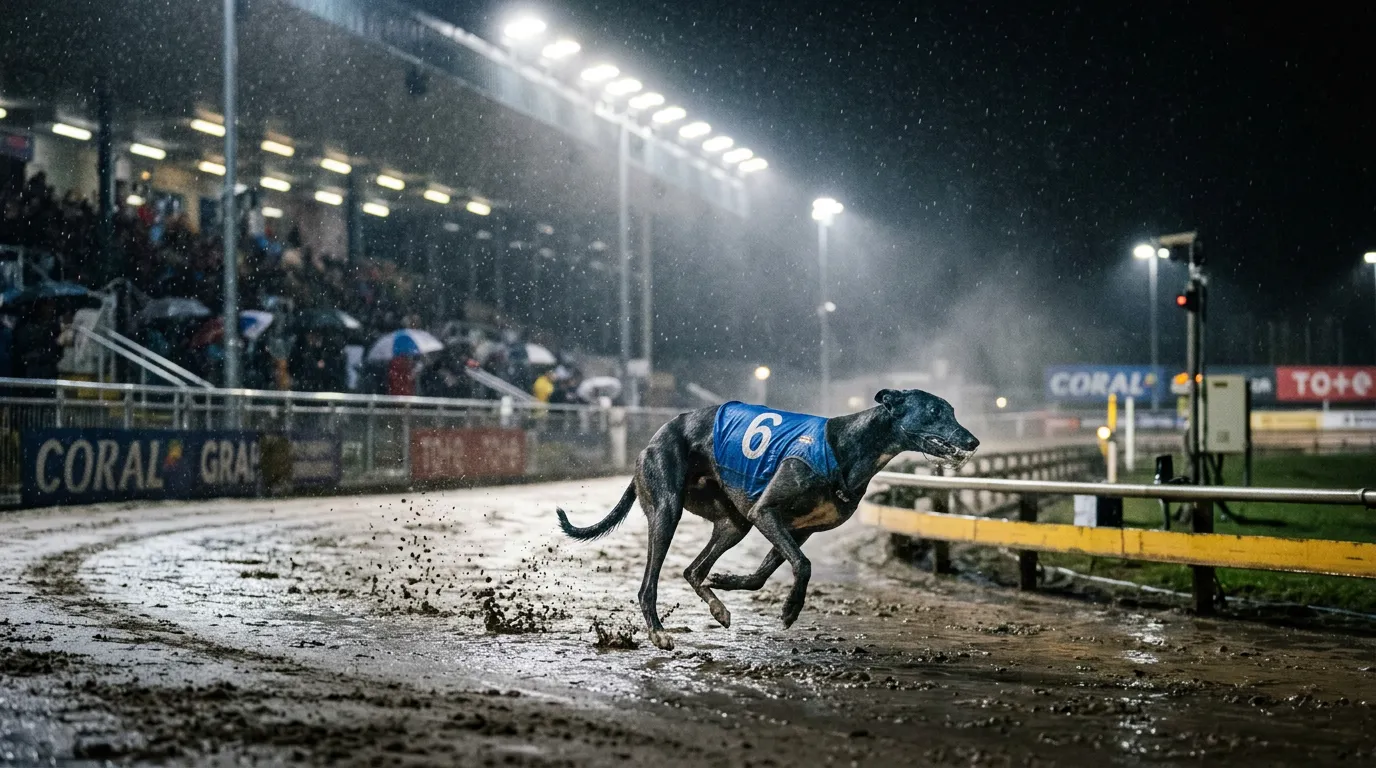
Weather sits among the most overlooked variables in greyhound betting. While punters study form figures, trap draws, and trainer records, fewer consider how conditions on the day will affect the racing surface and the dogs running on it. Yet conditions change everything—the same greyhound on the same track produces different performances depending on whether the ground is fast and dry or heavy and holding.
British weather guarantees variety. Racing at Romford and other UK tracks occurs year-round through summer heat, autumn rain, winter frost, and everything between. Understanding how each condition affects greyhound performance transforms weather from background noise into actionable betting information. What follows examines the science of track surfaces, identifies how to spot dogs with ground preferences, and maps the seasonal patterns that shape British greyhound racing.
How Weather Affects the Racing Surface
Greyhound tracks use sand-based surfaces designed to provide consistent grip and cushioning. The specific composition varies between venues, but all sand tracks share fundamental responses to weather conditions. Understanding these responses explains why times fluctuate and why certain dogs excel in certain conditions.
Dry conditions produce faster tracks. When the surface lacks moisture, sand compacts more firmly, providing solid footing that allows dogs to push off efficiently with each stride. Grip levels run high; dogs can accelerate hard and corner sharply without losing traction. Times on dry tracks tend toward the faster end of the range, and dogs with pure speed advantages see those advantages magnified.
Wet conditions slow the surface. Rain saturates the sand, creating a looser, heavier texture that absorbs energy with each footfall. Dogs must work harder to maintain speed, and the softer going particularly affects finishing pace when tired legs meet resistant ground. Heavily watered tracks or those hit by sustained rain produce noticeably slower times. The difference between a dry track and a genuinely heavy one can amount to several lengths over standard distances.
Between these extremes lies the going described as “good”—sufficient moisture to prevent dust but not enough to create holding ground. Track maintenance crews water surfaces to achieve this balance when natural rainfall doesn’t provide it. GBGB standards require track safety monitoring, with STRI consultants conducting 80 track visits across licensed venues in 2024 to assess conditions including surface quality. Well-maintained tracks produce fair racing regardless of weather; the goal is consistency rather than favouring particular conditions.
Temperature affects surfaces independently of moisture. Cold ground becomes firmer, potentially faster but harder on joints. Hot weather dries surfaces rapidly, sometimes creating inconsistent patches where some sections run faster than others. Extreme temperatures in either direction create conditions where times become less predictable and where dogs with robust constitutions outperform more delicate types.
Identifying Ground Specialists
Individual greyhounds show distinct preferences for different going. Just as horses develop reputations as mud-lovers or fast-ground specialists, certain dogs consistently outperform their form when conditions suit them and underperform when they don’t. Recognising these specialists creates betting angles invisible to those who ignore weather.
Heavy-ground specialists typically share physical characteristics. Powerfully built dogs with strong hindquarters often handle wet conditions better—they generate the force needed to drive through holding ground. These dogs might post moderate times on fast tracks but improve markedly when rain arrives. Their form figures can appear inconsistent until you notice the pattern: strong runs coincide with wet meetings, disappointing efforts with dry ones.
Fast-ground specialists tend toward lighter, more athletic builds. Their speed comes from efficiency rather than power, and they excel when the surface allows clean footfall and explosive acceleration. On wet tracks, their advantages diminish; they lack the strength to maintain pace through heavy going. Backing these dogs on rain-affected cards often means paying for yesterday’s fast-ground form that won’t reproduce today.
Identifying preferences requires studying form across multiple conditions. A dog with three wins might not tell the full story—but three wins all recorded on wet tracks, with moderate efforts between on drier ground, reveals a pattern worth noting. Comments in form guides sometimes reference conditions: “ran on well when ground eased” or “found conditions too testing” offer direct evidence of preferences.
The value opportunity arises when preferences align with conditions the market hasn’t noticed. A heavy-ground specialist at morning odds set before rain arrives might offer overlay once conditions change. Conversely, a dog with strong recent form achieved on fast ground might be overbet on a wet evening when their advantage disappears. Weather-aware betting means adjusting assessments when conditions shift.
Weather, Traps, and Race Dynamics
Weather conditions interact with trap draw to alter race dynamics. The advantages and disadvantages associated with different starting positions shift depending on the going, creating opportunities for those who understand the relationship.
Wet tracks tend to favour inside traps more heavily than usual. When the surface runs heavy, running wide on bends costs more ground and more energy than on fast tracks. Dogs forced to race outside face compounding disadvantage: extra distance covered plus the additional effort required to maintain pace through holding ground. The rail becomes premium territory, making trap 1 more valuable and wide draws more problematic.
Crowding dynamics change in wet conditions too. When dogs struggle to maintain pace, the gaps between runners often increase through the race. Closers who typically rely on traffic opening up may find opportunities arrive earlier on heavy ground as front-runners tire. Conversely, confirmed front-runners might build unassailable leads if their stamina holds while chasers fade in the conditions.
Fast tracks produce tighter racing. When all dogs run at or near their peak speed, margins shrink and positional battles intensify. The first bend becomes crucial—dogs must compete for position against rivals running at full pace rather than those already feeling the strain of heavy going. Trap draw matters, but raw speed matters more; a slow-starting dog might make up ground on heavy tracks that they cannot recover on fast ones.
Wind adds another dimension. Strong headwinds in the home straight slow finishes, benefiting dogs that build leads rather than those relying on late runs. Tailwinds assist closers, potentially helping them sustain finishing bursts that would fade in still conditions. Cross-winds affect bend-running, sometimes pushing dogs off their racing line. Severe wind typically disadvantages lighter dogs and those lacking the physical strength to power through resistance.
Racing Through the British Seasons
UK greyhound racing operates year-round, meaning punters encounter the full range of British weather conditions. Each season brings characteristic patterns that affect racing in predictable ways.
Summer racing typically produces faster times. Long daylight hours mean evening meetings often run on warm, dry tracks. Consistent conditions favour form students—dogs perform to expected levels without weather-induced variation. The main concern becomes extreme heat, which can tire dogs and create inconsistent surfaces as tracks dry unevenly. Well-maintained venues mitigate these effects through careful watering, but some variability persists on particularly hot days.
Autumn brings transition. Early autumn often extends summer patterns before autumn rains begin affecting track conditions. As the season progresses, expect more variation between meetings—one card might run fast, the next heavy depending on rainfall timing. Dogs that show ground versatility gain advantage during this variable period; pure fast-ground specialists become riskier propositions as wet weather becomes more likely.
Winter presents the most challenging conditions. Cold tracks, potential frost, and frequent rain create heavy going more often than not. Racing schedules may be affected by extreme weather; meetings occasionally face abandonment when conditions become unsafe. The dogs that thrive in winter often differ from summer champions—stamina and strength matter more than pure speed when the ground tests endurance. Trainers sometimes rest fast-ground specialists through the worst of winter rather than exposing them to unsuitable conditions.
Spring mirrors autumn in variability. Early spring often resembles late winter; April and May begin transitioning toward summer patterns. Tracks dry out as rainfall decreases and temperatures rise. Dogs returning from winter breaks may need races to regain full fitness, while those that raced through winter may peak before summer specialists hit form.
The practical approach: check forecasts before betting, adjust expectations based on seasonal norms, and track individual dogs’ seasonal performance patterns. A dog with outstanding summer form approaching winter deserves scepticism until they prove they handle changed conditions. Weather awareness compounds over time; punters who consistently factor conditions into their analysis gain cumulative edge over those who ignore this variable.
Weather Impact on Greyhound Racing — More on this topic at romford greyhound results.
See also Greyhound Odds Explained.
