
Best Greyhound Betting Sites – Bet on Greyhounds in 2026
 Available in US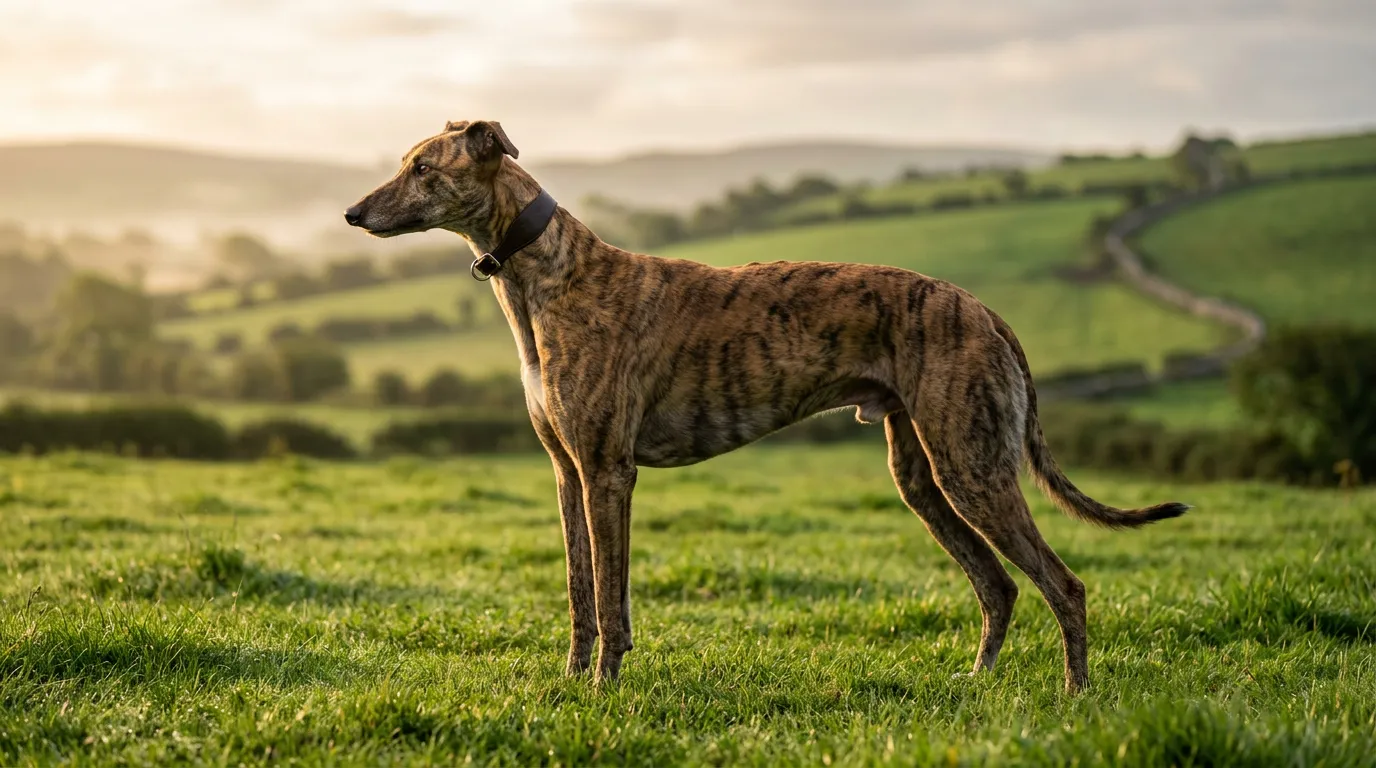
Every greyhound that breaks from the traps at Romford carries a lineage written in muscle fibre and instinct. Breeding is the invisible architecture of racing performance—the genetic blueprint that determines whether a dog possesses explosive early pace or the stamina to run down rivals over 575 metres. Yet for most bettors, pedigree remains an afterthought, something glanced at rather than studied.
This is a missed opportunity. Understanding where a greyhound comes from—who sired it, what traits run in the dam’s line, whether the pedigree suggests a sprinter or a stayer—adds another dimension to form analysis. The racing greyhound has been selectively bred for speed over centuries, refined into an athlete capable of reaching 45 miles per hour within strides of leaving the boxes. That refinement did not happen by accident; it is the product of deliberate choices made by breeders seeking to produce dogs with the perfect combination of pace, stamina, and racing intelligence.
Bred to run is not merely a phrase; it is the foundation upon which every race is built. The bloodlines coursing through UK racing tell a story that stretches across the Irish Sea, through generations of selective breeding, and into the present-day cards at tracks like Romford. For those willing to look deeper than the form figures, pedigree offers clues invisible to the casual observer.
The Irish Influence on British Racing
Walk through the kennels supplying greyhounds to any British track and you will hear Irish accents, see Irish names on registration documents, and find dogs born on farms scattered across counties from Cork to Galway. Ireland dominates greyhound breeding for reasons both historical and practical. The country has more land suited to rearing young dogs, a deeply embedded breeding culture, and a pipeline of expertise that stretches back generations.
The numbers tell the story plainly. The overwhelming majority of greyhounds racing in Britain were whelped in Ireland, transported across the Irish Sea after their early development. Irish breeders benefit from scale and specialisation—large operations that can produce multiple litters per year, with established reputations for producing quality runners. British trainers, meanwhile, have long found it more economical to import proven talent than to develop breeding programmes from scratch.
This dependency creates a recognisable pattern at tracks like Romford. Irish-bred dogs tend to arrive with form already established at Irish tracks, giving astute bettors a head start when assessing newcomers. The transition from Ireland to Britain—different track configurations, different racing styles, different surfaces—can reveal how adaptable a dog truly is. Some thrive immediately; others need time to adjust to the tighter circuits and different going conditions found at English stadiums. Watching how a dog handles its first few runs after crossing the Irish Sea often tells you more about its true ability than the raw form figures suggest.
British Breeding on the Rise
The landscape is shifting, albeit slowly. According to GBGB evidence submitted to the Senedd, 15.5% of greyhounds registered with the governing body in 2024 came from British litters—up from 13.1% in 2021. This might seem a modest increase, but it represents a meaningful trend towards domestic self-sufficiency.
Several factors drive this growth. The GBGB has actively encouraged British breeding through financial incentives and support programmes, recognising that over-reliance on Irish imports creates vulnerabilities. Transport costs, regulatory complications following Brexit, and animal welfare considerations around long-distance travel have all made domestic breeding more attractive. Some British trainers have invested in their own breeding operations, seeking to produce dogs specifically suited to the tracks where they will race.
For bettors, the rise of British breeding introduces new variables. A British-bred dog racing at Romford may have trained on similar surfaces from puppyhood, potentially offering an advantage in track familiarity. Conversely, the smaller gene pool compared to Ireland means certain bloodlines appear more frequently, making it easier to spot inherited traits once you know what to look for. The breeding grounds might be shifting, but the fundamental importance of bloodline remains constant.
How Bloodlines Shape Racing Ability
Pedigree is not destiny, but it sets the parameters of possibility. The sire contributes half the genetic material, and certain stud dogs have earned reputations for producing offspring with specific characteristics. Some sires consistently throw early-pace merchants—dogs that explode from the traps and establish position before the first bend. Others produce progeny renowned for finishing power, the ability to run down leaders in the final straight.
The dam’s influence is equally significant, though often undervalued. A brood bitch passes on not just speed genes but temperament, racing intelligence, and physical durability. Experienced breeders pay close attention to a dam’s racing record, particularly how she handled pressure, whether she showed courage in tight finishes, and how her body held up over multiple seasons. These traits transmit through generations in ways that pure speed statistics cannot capture.
Physical conformation matters as well. Some bloodlines produce dogs with longer backs suited to sustained galloping; others throw compact, muscular types built for acceleration. The depth of chest, the angle of the hindquarters, the length of stride—all are inherited characteristics that affect how a dog races. A greyhound from a line known for robust joints and sound feet may sustain form longer than a faster but more fragile rival.
What does this mean at track level? When a new dog appears at Romford from a sire known for producing stayers, that animal becomes immediately more interesting over 575 or 750 metres than 225. When a pedigree shows multiple generations of dogs that excelled from trap one, the current runner deserves extra respect when drawn on the rail. Bloodlines create tendencies, not guarantees—but tendencies compound over thousands of races into exploitable patterns.
Applying Pedigree Knowledge to Betting
Theory without application remains academic. The practical question is how to use breeding information when studying a race card. Begin with unfamiliar dogs—those making their debut at a track, stepping up or down in distance, or returning after a long absence. Their recent form tells you what they have done; their pedigree hints at what they might do under different circumstances.
Distance changes offer the clearest opportunities. A dog struggling over 400 metres whose pedigree shows stamina influences—a sire whose offspring typically improve as races lengthen—becomes interesting when entered over 575. The market might dismiss the recent poor form while ignoring the genetic potential. Similarly, a sprinting pedigree racing over extended distances should raise caution regardless of how impressive previous times appear.
First-time performers at a track require particular attention. A greyhound arriving at Romford from another venue brings form that must be interpreted through the lens of the new environment. The tight 350-metre circuit with its 67-metre run to the first bend favours certain styles: quick beginners who can reach the corner ahead, dogs that handle sharp turns without losing momentum. Some bloodlines produce greyhounds that excel on these demanding configurations; others throw runners better suited to galloping tracks with gentler curves.
Age and career stage add further dimensions. Young dogs from proven bloodlines may improve dramatically as they mature into their genetic potential. Older dogs from robust lineages might maintain form longer than fragile but talented rivals. As British breeding grows, with dogs potentially trained from youth on tracks similar to where they will race, this home-ground advantage may become increasingly significant. The pedigree, ultimately, is another tool in the bettor’s kit—not a crystal ball, but a lens that brings certain possibilities into sharper focus.
Greyhound Breeding for Racing — More on this topic at romford greyhound results.
See also Value Betting in Greyhounds.
