
Best Greyhound Betting Sites – Bet on Greyhounds in 2026
 Available in US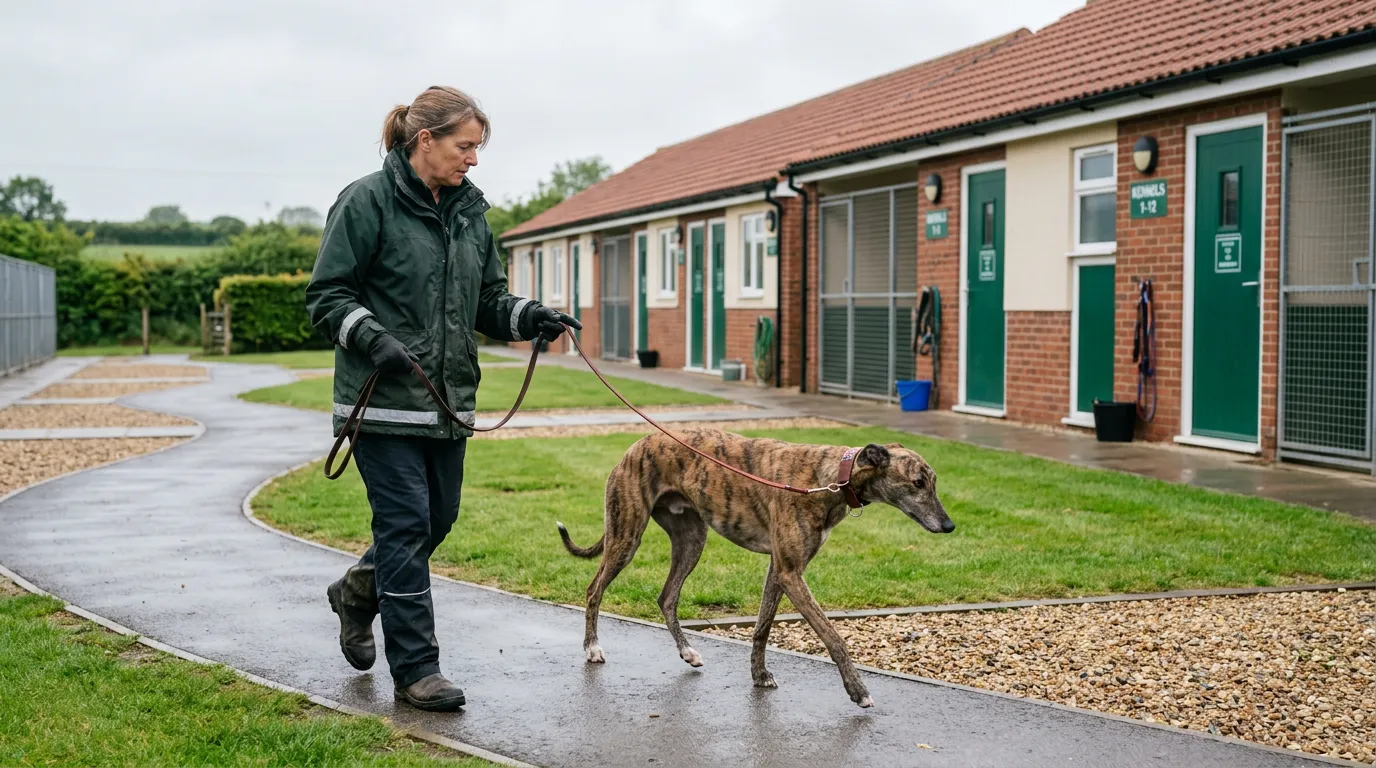
Behind every greyhound that races at Romford stands a trainer. These are the professionals who condition the dogs, manage their health, plan their campaigns, and present them fit to race. Yet when studying a race card, many bettors fixate on the dogs while ignoring the humans responsible for their preparation. This is a mistake.
Trainer statistics offer a window into reliability, competence, and patterns of success. A kennel with a high strike rate at a particular track has demonstrated repeated ability to prepare dogs for those specific conditions. A trainer whose dogs consistently run to form, finishing where the market expects, provides the predictability that value betting requires. Follow the handler is not merely a slogan—it is a methodology that, applied properly, adds a genuine edge to race analysis.
At Romford, as at every licensed track, certain kennels have established track records worth studying. Understanding who trains well here, who struggles, and who excels in specific circumstances transforms the race card from a list of dogs into a map of human expertise and its limitations.
The Trainer Landscape in UK Racing
The UK greyhound industry operates through a network of licensed trainers, approximately 500 across all GBGB-registered stadiums. These range from large professional operations handling dozens of dogs to smaller one-person kennels focused on a handful of animals. The scale varies, but the licensing requirements do not—every trainer racing at a GBGB track must meet the governing body’s standards for kennel facilities, animal welfare, and professional conduct.
Romford draws trainers from across the region, though geography naturally creates a core group of regulars. Trainers based closer to the stadium can move dogs easily, trial them on the track, and attend meetings without logistical strain. This proximity advantage shows in the data: local trainers often develop an intuitive understanding of how Romford runs, which boxes suit which running styles, how the surface plays in different weather conditions. They know the quirks—the slightly faster inside rail, the way evening meetings run differently to afternoon cards.
The relationship between trainers and specific tracks creates opportunities for observant bettors. Some kennels clearly favour certain venues, sending their better dogs there consistently while using others for development runs or dogs that do not suit their home track. Identifying which trainers treat Romford as a priority reveals where the smartest money might flow. A top kennel sending a dog here rather than to another meeting signals intent worth noting.
Key Performance Metrics
Strike rate is the fundamental measure—the percentage of runners that win. A trainer with a 20% strike rate wins roughly one in five races entered, which sounds modest until you consider that in a six-dog field, random chance would produce a 16.7% strike rate. Beating that baseline consistently indicates skill, and significantly exceeding it suggests genuine expertise.
Place percentage adds another dimension. A trainer whose dogs frequently place but rarely win might excel at getting animals fit and competitive without quite having the quality to close out races. Alternatively, they might specialise in conditions races or grades where competition is fierce. Both win and place statistics need context to interpret properly.
Return on investment cuts to what matters for bettors. A trainer with a 30% strike rate sounds impressive, but if those winners are all odds-on favourites, backing them blindly loses money. Conversely, a trainer with a lower win rate who produces winners at bigger prices can be profitable to follow. ROI figures, where available, reveal who genuinely offers value versus who merely wins races that were expected to be won anyway.
Consistency matters as much as raw numbers. A trainer whose strike rate fluctuates wildly—hot one month, cold the next—is harder to follow than one who maintains steady, predictable performance. Consistency suggests a methodical approach that produces reliable results regardless of external factors.
How to Evaluate Trainer Data
Sample size is the first consideration. A trainer with three wins from five runs has a 60% strike rate—impressive on paper, meaningless in practice. Statistics only become reliable over dozens, preferably hundreds, of runs. Look for trainers with substantial track records at Romford specifically, not just overall figures that might include performances at very different venues.
Time period matters equally. A trainer who dominated three years ago but has seen their strike rate decline might be losing their best dogs, suffering from kennel problems, or simply facing stiffer competition as the sport evolves. Recent form, weighted appropriately, tells you more about current capability than career statistics.
Filter by relevant conditions. A trainer’s overall strike rate at Romford means less than their record at specific distances, in particular grades, or during certain meeting types. Some kennels excel at sprint distances; others produce stayers. Some thrive in open races where class tells; others do their best work in graded races where the competition is more predictable. These specialisations reveal where genuine edges exist.
Red flags appear in the data too. A consistently low strike rate suggests either weak stock or poor preparation—neither encouraging for bettors. Dogs that frequently fail to finish, show erratic running patterns, or repeatedly underperform their trials indicate kennel issues that statistics can expose before you lose money discovering them yourself. Conversely, a trainer whose dogs regularly finish close to their expected positions, even when not winning, demonstrates reliable preparation that bettors can trust.
Recognising Trainer Patterns
Beyond raw statistics, patterns of behaviour reveal trainer intent. Some kennels follow predictable campaigns: trial a dog, enter it at a suitable distance, step it up through the grades if it wins. Others take more opportunistic approaches, placing dogs where they see an edge regardless of logical progression. Understanding which style a trainer employs helps interpret their entries.
Distance specialisation is common. Certain trainers have built their reputations on sprinters, producing quick-breaking dogs that excel over 225 and 400 metres. Others focus on middle distances or stayers, selecting and conditioning greyhounds for stamina rather than pure speed. When a sprint specialist enters a dog over 575 metres, that should prompt questions—are they experimenting, or do they know something the market does not?
Weather and track condition preferences also emerge. Some kennels do their best work on fast going, others produce dogs that handle soft tracks better than most. Trainers often develop this knowledge through experience, adjusting their entries based on forecast conditions. Noting which trainers scratch when rain is expected versus which increase their entries reveals who has confidence in their dogs regardless of surface.
The astute bettor builds a mental database of trainer tendencies over time. This requires patience—patterns only become clear through observation across months and seasons. But once established, this knowledge pays dividends repeatedly. When a reliable trainer enters a dog under specific circumstances that have previously produced winners, the statistics become actionable intelligence rather than mere historical record.
The practical application ties these elements together. Before placing a bet, check the trainer’s recent form at this track and distance. Has the kennel been hitting winners lately, or are they in a cold spell? Does this dog fit the trainer’s usual profile, or is it an outlier? Are there any changes—new dogs arriving, established runners departing—that might explain recent performance shifts? These questions, answered through statistical analysis rather than guesswork, separate informed betting from hope. The handler matters. The statistics prove it.
Romford Kennel Stats — More on this topic at romford greyhound results.
See also Greyhound Adoption UK.
