Best Greyhound Betting Sites – Bet on Greyhounds in 2026
 Available in US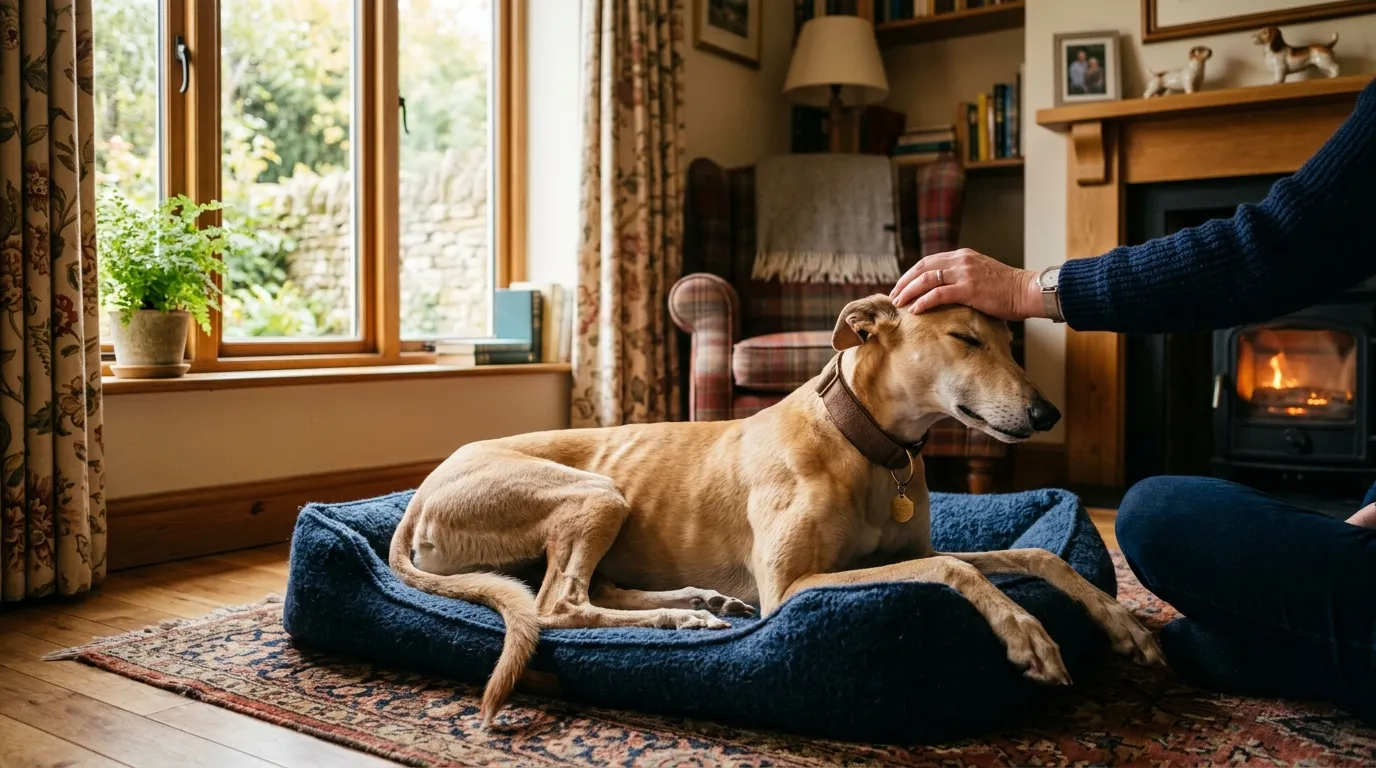
Racing careers are brief. A greyhound might compete for three or four years before retiring from the track, still young enough to enjoy a decade or more of domestic life. The question of what happens next—life after racing—has become central to how the industry is perceived and how it perceives itself. And the answer, increasingly, involves adoption.
Retired greyhounds make exceptional pets. The same qualities that define them as athletes—calmness under pressure, trainability, social intelligence—translate remarkably well to household living. These are not hyperactive dogs requiring hours of daily exercise. They are, famously, couch potatoes: content with a couple of short walks and extensive lounging. The breed’s gentle temperament has won converts among dog owners who would never have considered themselves racing enthusiasts.
The adoption movement has grown dramatically in recent years, driven by charities, industry initiatives, and changing public attitudes. More retired racers find homes than ever before. The infrastructure supporting rehoming has professionalised, with assessment protocols, foster networks, and aftercare support that did not exist a generation ago. For anyone considering adding a dog to their household, a retired greyhound deserves serious consideration.
Adoption Statistics and Industry Progress
The numbers reflect genuine transformation. According to GBGB official data, 94% of greyhounds now retire successfully from licensed racing—up from 88% in 2018. This metric, tracking dogs that leave racing for adoption, breeding, or return to their owners, represents the industry’s most significant welfare improvement over the past decade.
The trajectory continues upward. GBGB reported 37% growth in adoptions during the first half of 2025 compared to the same period in previous years. More dogs are finding homes faster, with waiting lists at some charities shorter than they have been in years. The infrastructure for placing retired racers has scaled to meet demand that would have overwhelmed the system a decade ago.
Financial support has expanded alongside adoption rates. The Greyhound Retirement Scheme has distributed more than £5.6 million since 2020, funding the transition of thousands of dogs from track to home. This money supports veterinary care, kennel costs, and the administrative work of matching dogs with suitable adopters. The industry’s critics acknowledge—even if reluctantly—that retirement outcomes have improved materially.
Context matters, however. Advocacy groups such as the Cut the Chase Coalition remind observers that behind the improving percentages lie individual animals. A spokesperson for the coalition stated: “Each and every life matters – and to think 1,100 have lost their lives in trackside fatalities since 2018 is heartbreaking.” The scale of licensed racing means thousands of dogs retire each year, each requiring placement. Success rates are meaningful; so is the absolute number of dogs needing homes. The adoption system works better than it once did, but it works hard.
Rehoming Organisations
Multiple pathways lead to greyhound adoption in the UK. The Retired Greyhound Trust, the largest specialist charity, operates branches across the country and has rehomed tens of thousands of dogs since its founding. Regional greyhound rescue organisations provide local expertise and often maintain smaller foster networks where dogs can be assessed in home environments before adoption.
Many tracks run their own homing programmes, connecting retiring racers directly with potential adopters. This route sometimes offers dogs with known racing histories and temperaments assessed by handlers who have worked with them throughout their careers. For adopters interested in specific traits—calm disposition, compatibility with cats, experience with children—track-based programmes can provide detailed background information.
The GBGB maintains a homing directory linking prospective adopters with approved organisations. This centralised resource ensures that whatever your location, a recognised rehoming body operates within reasonable distance. Some charities specialise in particular cases: dogs requiring medical treatment, older greyhounds, or those with behavioural needs that demand experienced handlers.
Waiting times vary. Popular dogs—younger animals, those assessed as suitable for homes with cats, dogs with striking colouring—may have queues of interested adopters. Others wait longer. Patience and flexibility in your requirements often result in better matches; the dog that does not fit your initial criteria might become the perfect companion once you meet.
What to Expect from a Retired Greyhound
Greyhound temperament consistently surprises first-time owners. The dogs that chase mechanical hares at 40 miles per hour are, off the track, among the calmest breeds in existence. They sleep extensively—often sixteen hours a day—and require less exercise than many smaller dogs. Two twenty-minute walks typically satisfy their physical needs, though they enjoy occasional opportunities to run freely in secure spaces.
Their racing background shapes certain behaviours. These dogs have lived in kennels, often with limited exposure to domestic environments. Stairs may be unfamiliar; glass doors occasionally confuse them; kitchen appliances produce alarming noises. Most greyhounds adapt quickly, but the settling-in period requires patience as they learn the rhythms of household life.
Prey drive varies between individuals. Some retired racers can never safely share space with cats or small dogs; others live harmoniously with multiple species. Reputable rehoming organisations assess this carefully and match dogs to appropriate homes. Honesty about your household—existing pets, visiting children, secure garden access—helps ensure successful placements.
Health considerations come with the breed. Greyhounds have thin skin prone to cuts and tears; their long limbs are vulnerable to certain injuries. They lack the body fat of other breeds, requiring coats in cold weather and padded beds to protect bony joints. Their physiology differs enough from other dogs that some veterinarians lack familiarity with breed-specific norms for blood values and anaesthesia protocols. Finding a greyhound-experienced vet benefits long-term care.
The settling-in period typically lasts several weeks. During this time, new owners often observe what rescuers call “decompression”—the gradual release of kennel tensions as the dog realises it is home. Behaviours may shift: a quiet dog might become playful once comfortable; an initially aloof animal might reveal deep affection. Patience during this transition rewards owners with a clearer picture of their dog’s true personality, the one that emerges when security replaces uncertainty.
The Adoption Process
Serious rehoming organisations follow structured processes designed to protect both dogs and adopters. Initial applications typically gather information about your household, experience with dogs, living situation, and daily routine. This is not gatekeeping for its own sake; it ensures matches that succeed.
Home checks follow approved applications. A representative visits to assess the environment—secure fencing, appropriate space, absence of hazards—and to discuss the practicalities of greyhound ownership. These visits allow you to ask questions and receive candid advice about whether a greyhound suits your circumstances.
Meeting potential dogs comes next. Most organisations facilitate introductions where you can observe temperament, energy level, and compatibility firsthand. Some maintain foster networks where dogs live in home environments; these fosterers provide invaluable insight into how a particular dog behaves in domestic settings rather than kennels.
Adoption fees vary between organisations but typically cover neutering, vaccinations, microchipping, dental work, and initial veterinary assessments. These fees represent a fraction of the actual cost charities invest in preparing dogs for adoption. Ongoing support—advice on settling in, behavioural guidance, community connections with other greyhound owners—often continues long after adoption completes.
The community aspect of greyhound ownership surprises many adopters. Local walking groups, online forums, and charity events create social networks centred on breed enthusiasm. New owners find ready advice from experienced hands, shared understanding of breed-specific quirks, and friendships built around a common love of these gentle athletes. Life after racing begins with adoption; it flourishes within a community that celebrates these remarkable dogs.
Greyhound Adoption UK — More on this topic at romford greyhound results.
See also First Bend Position in Greyhound Racing.
